

How Conversational AI Is Moving Hotel Linen Management From Reactive to Proactive
By Mike Rispoli, VP of Product Development at Laundris
What if a hotel could identify a linen shortage before housekeeping felt it? Or spot an unusual loss pattern before it turned into another replacement order? What if an operator could know how much linen to buy based on what the property actually needs, instead of ordering extra as insurance against running short? That’s where I believe hotel linen management is headed.
For years, managing linen has largely been reactive. Count what you have. Discover what you’re missing. Search for it. Reorder when inventory gets too low. Investigate losses after they’ve already become expensive. AI, combined with real-time RFID inventory data and historical usage patterns, gives us an opportunity to flip that model. Rather than simply telling an operator what happened, an AI-enabled system can make it easier to understand what needs attention now and, increasingly, what may need attention next.
That matters because hotel operators aren’t looking for more data. They’re trying to run more efficient properties. They want housekeeping teams spending less time searching for linen and more time servicing rooms. They want to avoid emergency orders without stockpiling inventory they don’t need. And they want to understand where linen is being lost before replacement costs quietly pile up.
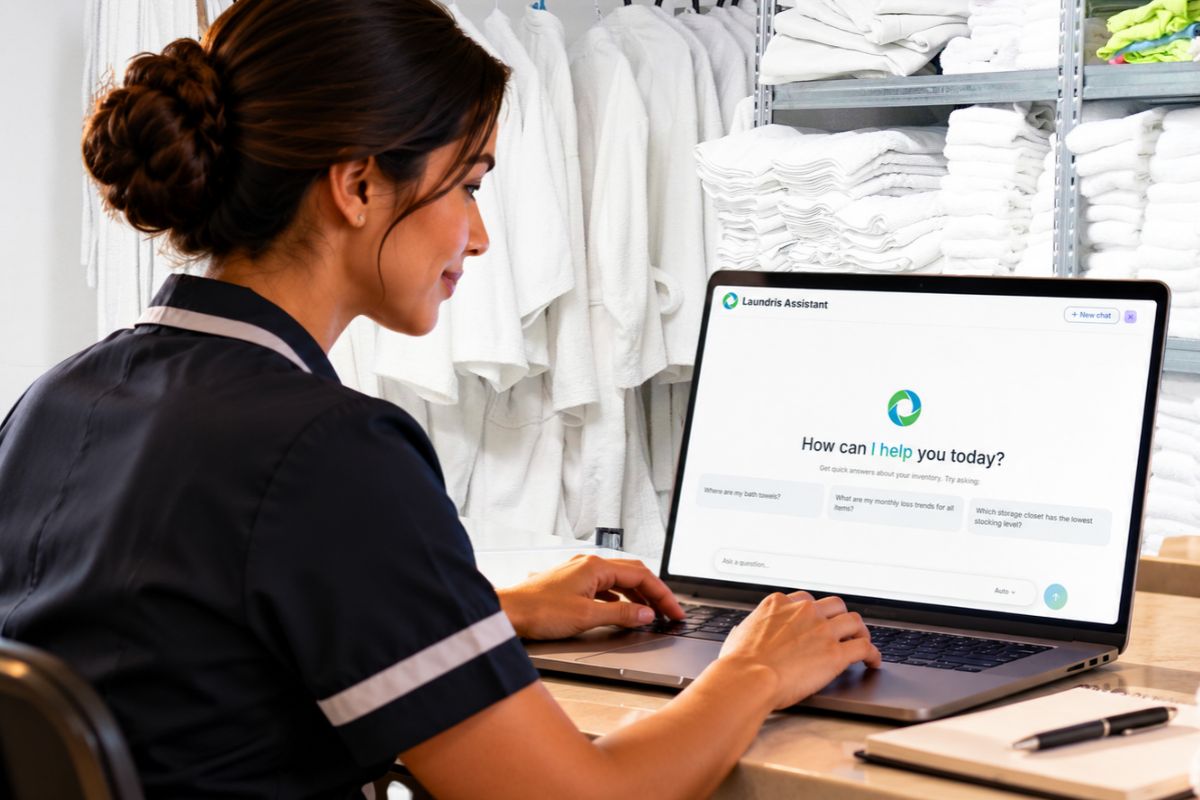
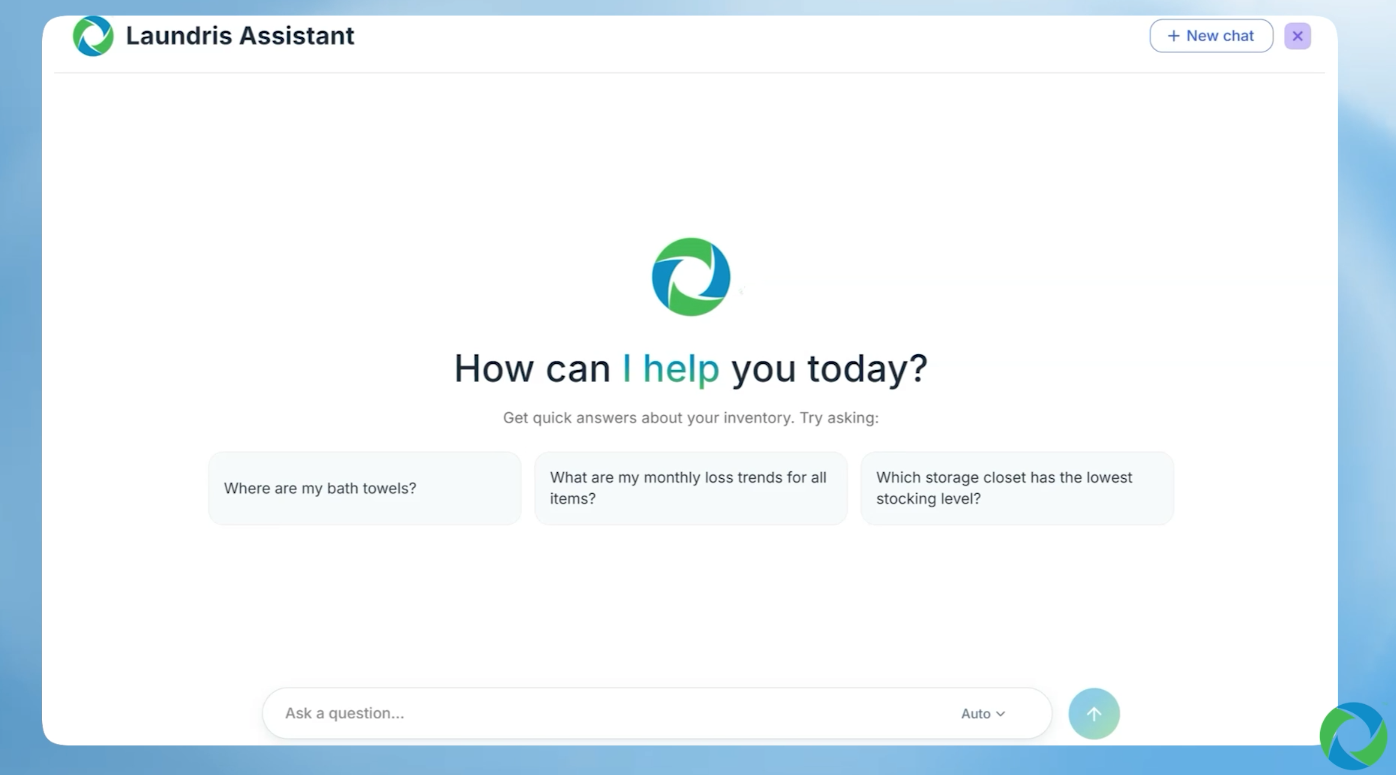
Conversational AI can help by making the answers behind those decisions much easier to access. An operator can simply ask a question in plain language in lieu of learning another reporting system or digging through dashboards.
The answer can come in seconds. That’s a relatively simple change in how someone interacts with technology, but I think it points toward a much bigger change in hotel operations: moving from reacting to linen problems after they happen to getting ahead of them.
Why Linen Management Is Still Too Reactive
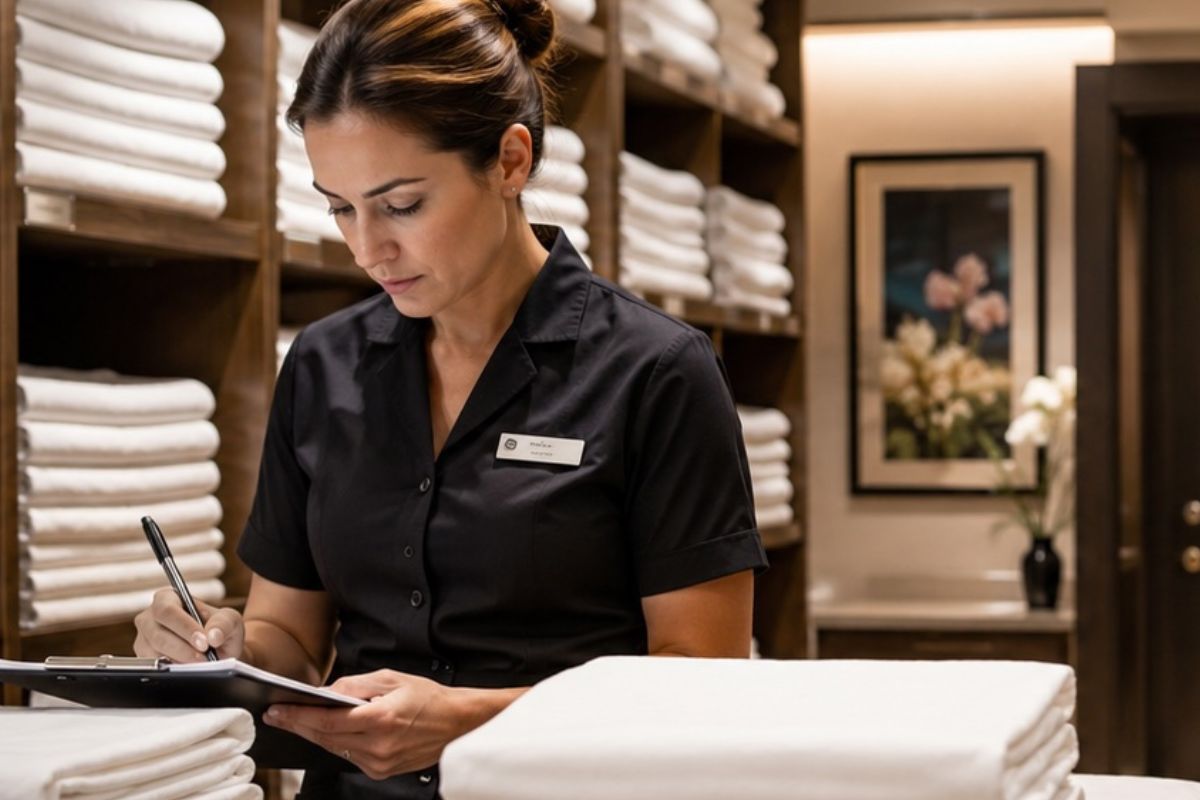
To understand the opportunity, it helps to look at how properties make linen decisions today. It often starts with something surprisingly basic: the count. For years, hotels have relied on manual linen counts. An employee might count stacks, check carts, and record the numbers on paper or in a spreadsheet. And those counts often happen at the worst possible time - the end of a shift, when everyone is rushing. A stack gets eyeballed opposed to counted. A cart gets missed. A storage closet doesn’t make it onto the tally. Suddenly, someone decides to order more inventory based on numbers no one fully trusts.
That uncertainty doesn’t stay contained. It ripples into purchasing, labor, and replacement costs.
When operators aren’t confident they have enough inventory, they tend to protect themselves in one of two ways. They over-order to avoid running out, or they discover the shortage too late and have to place an emergency order. Labor costs add up, too. Employees spend hours searching for linen, recounting inventory, and trying to find what they need just to service rooms.
Loss creates a quieter version of the same problem. If a hotel can’t distinguish normal wear and tear from linen that’s being lost, discarded, or leaving the property, replacement costs can continue climbing without anyone clearly understanding why.
That’s why I don’t see this primarily as a data problem. It’s an operational efficiency problem. And when hotels over-order inventory or keep replacing linen without understanding where it’s going, it becomes a cost problem, too.
How Hotel Linen Management Evolved From Clipboards to RFID
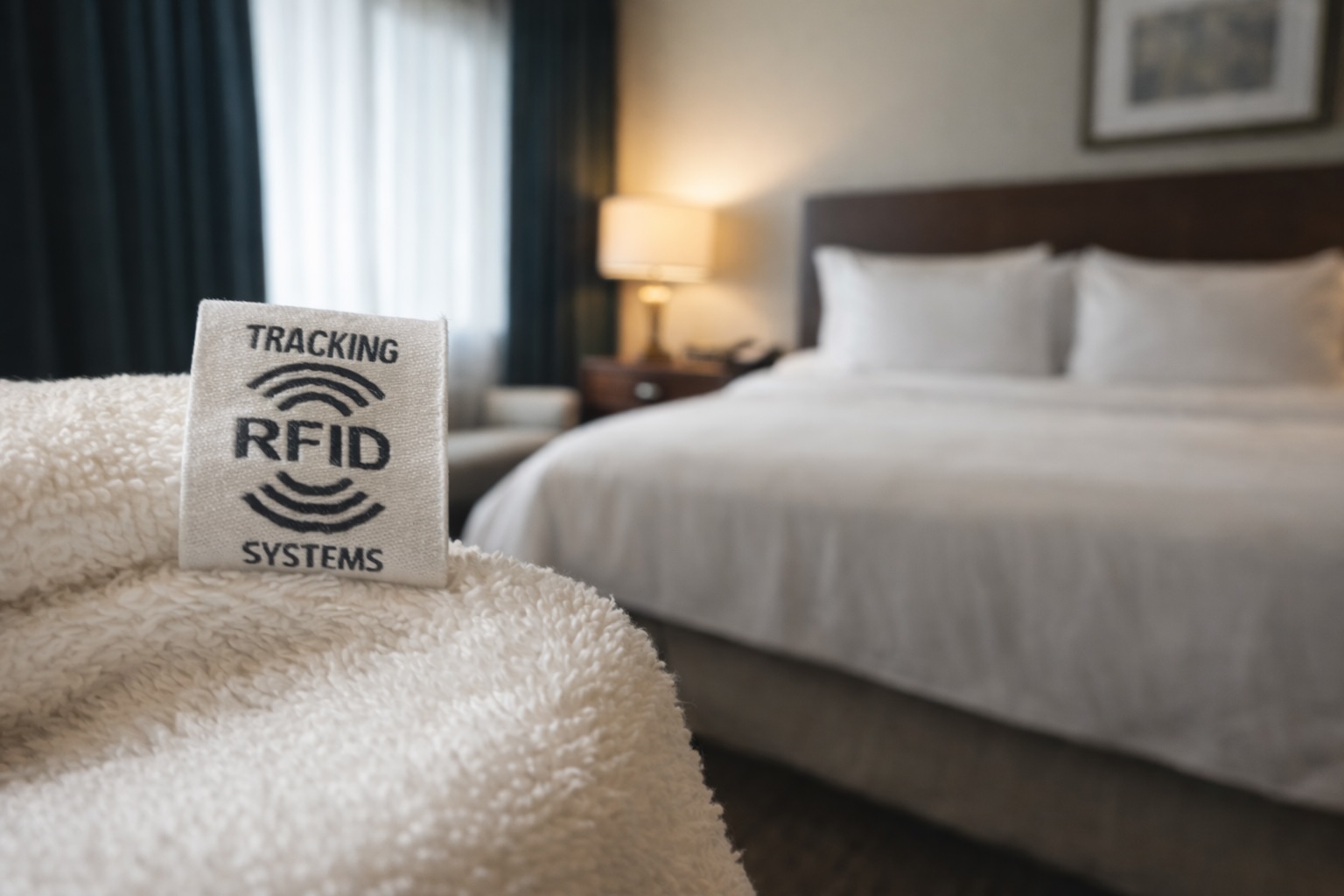
Linen management has changed considerably over the last decade. RFID was a genuine leap forward because it removed much of the manual work required to track inventory. Rather than relying on an employee’s end-of-shift count, RFID lets hotels automatically track individual items and build a much more accurate picture of inventory within seconds.
But better visibility didn’t eliminate every friction point. Someone still has to know how to get answers from the system. Dashboards make operational data easier to visualize, but they still require users to know which dashboard to visit, which graph to look at, which filters to select, and what the information means.
That’s fine for someone who works in the system every day. But the housekeeping manager trying to find enough bath towels for today’s rooms doesn’t necessarily want to become an expert in reporting software. They want to know:
Where are my bath towels?
Where are we losing bath towels?
How much do I actually need to order?
That’s where conversational AI comes in as the next evolution.
How Conversational AI Is Changing Hotel Linen Management
The biggest opportunity with conversational AI isn’t another dashboard or a prettier way to visualize information. It’s removing the translation step between having information and using it. Rather than sitting at a desk, opening an application, finding the correct report, and filtering through graphs, an operator can ask a question in plain language and get an immediate answer based on the underlying inventory data.
That’s the idea behind the Laundris Assistant. Because the Assistant works with the inventory data already captured within the Laundris platform, operators can ask direct questions about linen stock, locations, loss trends, and inventory needs without having to dig through reports. The value isn’t simply that an answer comes faster. It’s what the operator can do next.
Seeing Problems Before They Become Expensive
Hotels shouldn’t have to discover shortages or rising replacement costs after the damage is done. When real-time inventory data is combined with historical usage patterns, operators can start making decisions earlier. Instead of asking whether a shortage already exists, systems can help identify trends that suggest one is coming.
Instead of discovering that replacement orders have increased, operators can identify unusual loss patterns before they become a significant expense. Instead of guessing how much to purchase, they can make more informed purchasing decisions based on actual usage. That moves linen management from figuring out what happened to understanding what needs attention next.
Ordering What You Need Without Overspending
Consider one of the most basic questions a hotel has to answer:
How much linen should we reorder?
Without accurate information, the safest answer is often to order extra of everything. With better visibility into current inventory, loss, and historical usage, operators can see what the property actually needs rather than buying extra just in case.
That can mean avoiding unnecessary purchases while also reducing the risk of discovering too late that the hotel is short. The same principle applies to loss. If an operator can quickly identify where losses occur and spot trends over time, they can investigate the problem while it’s still manageable, rather than months later, when replacement costs have already accumulated.
The Laundris Assistant gives operators that granular information without making them filter through the dashboard or wait on a support ticket. Operators can also generate tailored reports and charts based on their questions.
The goal is simple: turn information into something useful while there’s still time to act.
Giving Hotel Teams Time Back
One easy-to-overlook benefit of all this is time. Every minute a housekeeping manager spends searching for linen, recounting inventory, digging through reports, or waiting for someone else to retrieve information is time they’re not spending on the operation itself. Technology shouldn’t create another system employees have to learn how to manage. It should remove work.
That’s ultimately where I believe conversational AI can have the greatest impact on hotel operations. Not because operators need more data, but because they need faster, simpler ways to make good decisions with the information they already have. The future of operational technology isn’t asking hotel teams to become better at finding answers. It’s letting them ask the question and get back to running the hotel.
Stop Searching for Answers. Just Ask.
Hotel teams shouldn’t have to search the property, recount inventory, or dig through dashboards to answer routine linen questions. With Laundris Assistant, they can ask where inventory is located, where losses are occurring, whether they need to reorder, and what trends deserve attention — and get answers they can act on quickly. That means less time searching for information, better-informed purchasing decisions, and more time running the operation.
See what Laundris Assistant can do for your hotel.
Still Counting by Hand? Why Hotel Linen Management Is Stuck in the Past — and What to Do About It

What's The Real Cost Of Manual Linen Counts?
How RFID and AI Are Transforming Linen Inventory Management for Hotels
See the real cost of inventory inefficiency—and fix it.
Have questions or would like to learn how Laundris can help Modern your linen inventory management?
Reach out to us here.

Contact us
To schedule a demo, please complete this form and a member of our sales team will be in touch.
